



Posted on February 4, 2026
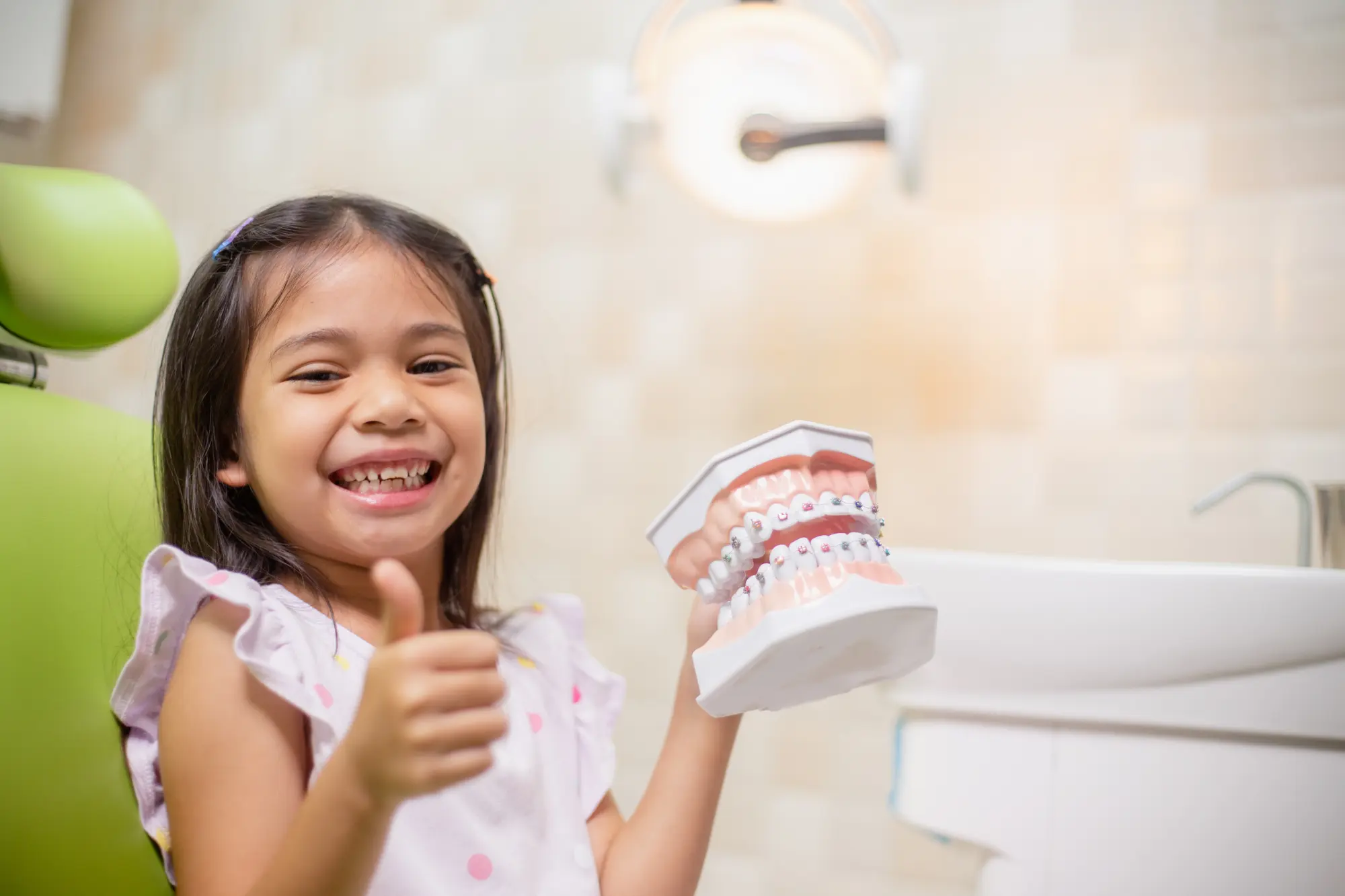
As parents, we want to give our children the best possible start in life, confidence, health, and a smile they’re proud to share. But knowing the right time to bring your child to the orthodontist can be confusing. Is it too early? Should you wait until all the adult teeth come in? If you’ve ever asked yourself these questions, you’re not alone. Many parents are surprised to learn that the foundation for a healthy, aligned smile starts earlier than they expect, and that’s exactly where two-phase orthodontics comes in.
Two-phase orthodontic treatment is a proactive approach to managing children’s developing jaws and teeth. It involves two distinct stages of treatment, thoughtfully spaced out to address both early developmental issues and later dental alignment. This dual-step process allows for less invasive corrections down the line, promoting long-term dental health and aesthetics.
Phase One (Early Interceptive Treatment): Typically starts between ages 6 and 10, long before all the adult teeth have erupted. This phase focuses on:
Phase Two: Begins after most or all permanent teeth have erupted, usually between ages 11 and 14. At this stage, traditional orthodontic appliances, like braces or Invisalign, are used to fine-tune alignment and bite issues refined in the first phase.
The American Association of Orthodontists recommends children have their first orthodontic evaluation by age 7. While every child’s development is different, this early check allows orthodontists to detect subtle issues that may not be visible yet, but can influence long-term alignment, speech, and comfort.
You don’t have to wait for a referral to take the first step. Keep an eye out for these indicators:
Two-phase orthodontics isn’t just about aesthetics, it can transform a child’s overall well-being. Some of the key advantages include:
At Stoutland & Hayes in Ridley Park, we understand that every child’s smile is as unique as their personality. That’s why Dr. Alicia Stoutland and Dr. Richard Hayes take a tailored approach to two-phase orthodontic care. From your very first visit, our team takes time to get to know your family and provide custom treatment plans that respect your child’s growth, comfort, and confidence.
Our eco-friendly practice blends cutting-edge technology with a welcoming atmosphere, ensuring your child feels safe, seen, and supported every step of the way. Whether your child needs early interceptive treatment or you’re planning ahead for future care, we’re committed to helping them thrive with a healthy, radiant smile.
Not always. While some children benefit greatly from early intervention, others may not need Phase One treatment. That’s why it’s important to have an orthodontic evaluation by age 7, to catch developing issues and make informed decisions early.
In many cases, yes. However, the second phase of treatment is typically shorter and less complicated because early treatment addressed larger structural or spacing concerns ahead of time.
Phase One usually lasts 9-12 months. After a resting period (where natural growth occurs), Phase Two follows, lasting around 12-24 months depending on the case.
When you bring your child to Stoutland & Hayes – Ridley Park, you can expect a warm welcome, a gentle consultation, and genuine care from start to finish. Dr. Stoutland and Dr. Hayes will conduct a thorough evaluation using state-of-the-art imaging tools and walk you through any findings in clear, compassionate language.
There’s no pressure, just partnership. We work closely with you to determine whether early treatment is needed, when to begin, and what to expect every step of the way.
Seeing your child’s face light up with self-assurance is priceless. Orthodontic care isn’t just about straight teeth, it’s about opening doors socially, emotionally, and even developmentally. That’s why so many families trust Stoutland & Hayes to help their children smile with confidence through expert care and kindness that truly makes a difference.
If you’re unsure whether your child might benefit from two-phase orthodontics, now is the perfect time to find out. Our experienced, compassionate team is here to answer your questions and guide you through the process with ease. Call us at (610) 459-2545 to schedule your child’s first visit with Stoutland & Hayes in Ridley Park. Together, we’ll shape a brighter, healthier future, one confident smile at a time.