



Posted on February 4, 2026
You’ve just completed your journey with braces, your smile is beautifully straight, your confidence is soaring, and you’re finally enjoying the results you’ve been waiting for. But months, or even years, later, you notice something unsettling… your teeth are starting to move again. “Why are my teeth shifting after braces?” is a concern we hear often from patients who feel surprised or even discouraged.
Fortunately, this is a common issue, and it’s also something you can take control of with the right guidance and ongoing care. At Stoutland and Hayes in Chadds Ford, we believe that your orthodontic journey doesn’t end the day your braces come off. Our approach ensures long-term results, individualized care, and trusted support every step of the way.
Braces do the work of straightening teeth, but your body is constantly changing, even your mouth. After orthodontic treatment, the ligaments and tissues that support your teeth can slowly return to their original position, especially without the right post-treatment care.
Several key factors contribute to post-braces shifting:
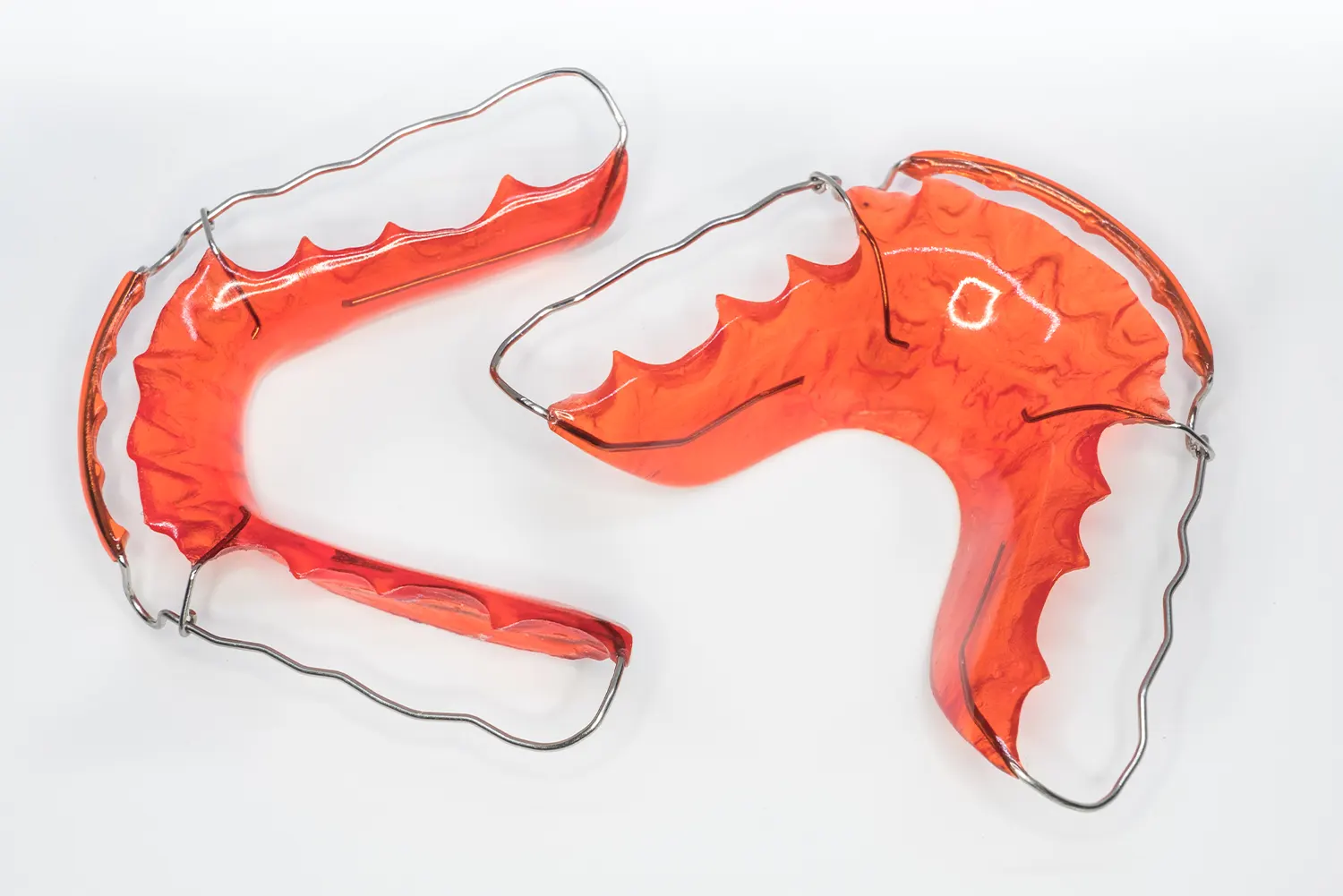
Retainers aren’t just a suggestion, they’re an essential part of maintaining the hard-earned results from braces. Whether fixed or removable, these appliances help hold your teeth in their corrected positions as your mouth adapts to the changes.
There are two general types of retainers:
Our orthodontists, Dr. Stoutland and Dr. Hayes, diligently customize retention plans for each patient at Stoutland and Hayes – Chadds Ford. That plan is based on your unique anatomy, treatment history, and lifestyle, because no two smiles are the same.
Even subtle movements can impact the integrity of your bite and the look of your smile. Keep watch for the following signs that your teeth might be moving after braces:
If you notice any of these symptoms, early intervention is key. Our Chadds Ford orthodontic team is just a phone call away at (610) 459-2545. We’re here to answer your questions and help you regain stability and confidence in your smile.
There’s good news: You’re not powerless against orthodontic relapse. Here are some effective strategies to protect your new smile:
If you’ve already noticed your teeth moving, don’t panic. There are several safe, effective options to restore alignment, depending on the severity of the shift:
At our Chadds Ford office, your treatment is never one-size-fits-all. Dr. Hayes and Dr. Stoutland take time to assess your goals, lifestyle, and comfort before recommending next steps. We use digital imaging and the latest orthodontic technology to ensure efficient, precise care in an eco-conscious setting that patients appreciate and trust.
Your smile is more than just straight teeth, it’s an important part of who you are. That’s why we believe the relationship between patients and their orthodontist should extend beyond treatment. Our practice has earned the trust of families across the area thanks to our open communication, individualized treatment plans, and unwavering commitment to long-lasting results.
Whether you’re a new patient or returning, a complimentary consultation with Dr. Stoutland or Dr. Hayes gives you a no-pressure opportunity to reconnect with your orthodontic care and learn about your options. With glowing reviews, a caring team, and an emphasis on sustainable, patient-first practices, we’re proud to be a trusted name in smile transformation.
If you’re noticing your teeth shifting after braces or are simply unsure about your retainer routine, we’re here to help. Our team at Stoutland and Hayes – Chadds Ford is always ready to guide you back on track with clear answers, customized care, and compassionate support. Call us at (610) 459-2545 or schedule your free consultation to protect the smile you’ve worked so hard to achieve.